Do Probiotics Really Help Dogs and Cats?
A plain-language look at how probiotics support digestion, immunity, and recovery from tummy troubles in pets.

Probiotics have become a household word, and they are not just for humans. Pet probiotics are everywhere now, promising better digestion, stronger immunity, and even calmer moods. But do they actually work for dogs and cats? The short answer is yes, for many pets, but the benefits depend on the strains, quality, and reason for giving them.
What Probiotics Do
Probiotics are live, beneficial bacteria that help balance the gut microbiome. Your pet’s digestive tract is home to trillions of microorganisms that influence not only digestion but also immune function, nutrient absorption, and even behavior. When that balance is disrupted, symptoms like loose stool, gas, bloating, or bad breath can appear.
Common causes of gut imbalance include antibiotics, dietary changes, stress, travel, illness, and aging. A quality probiotic can help repopulate the gut with friendly bacteria and support a faster return to normal.
Common Strains in Pet Products
Not all probiotics are the same. Some of the most studied strains for pets include Lactobacillus acidophilus, Bifidobacterium animalis, Enterococcus faecium, and Bacillus coagulans. Multi-strain products often provide broader support because different strains settle in different parts of the gut and offer different benefits.
CFU Count and Shelf Stability
CFU stands for colony-forming units, which tells you how many live bacteria are in each dose. For pets, products typically range from hundreds of millions to several billion CFUs. More is not always better, but you do want enough live organisms to survive the journey through the stomach and reach the intestines.
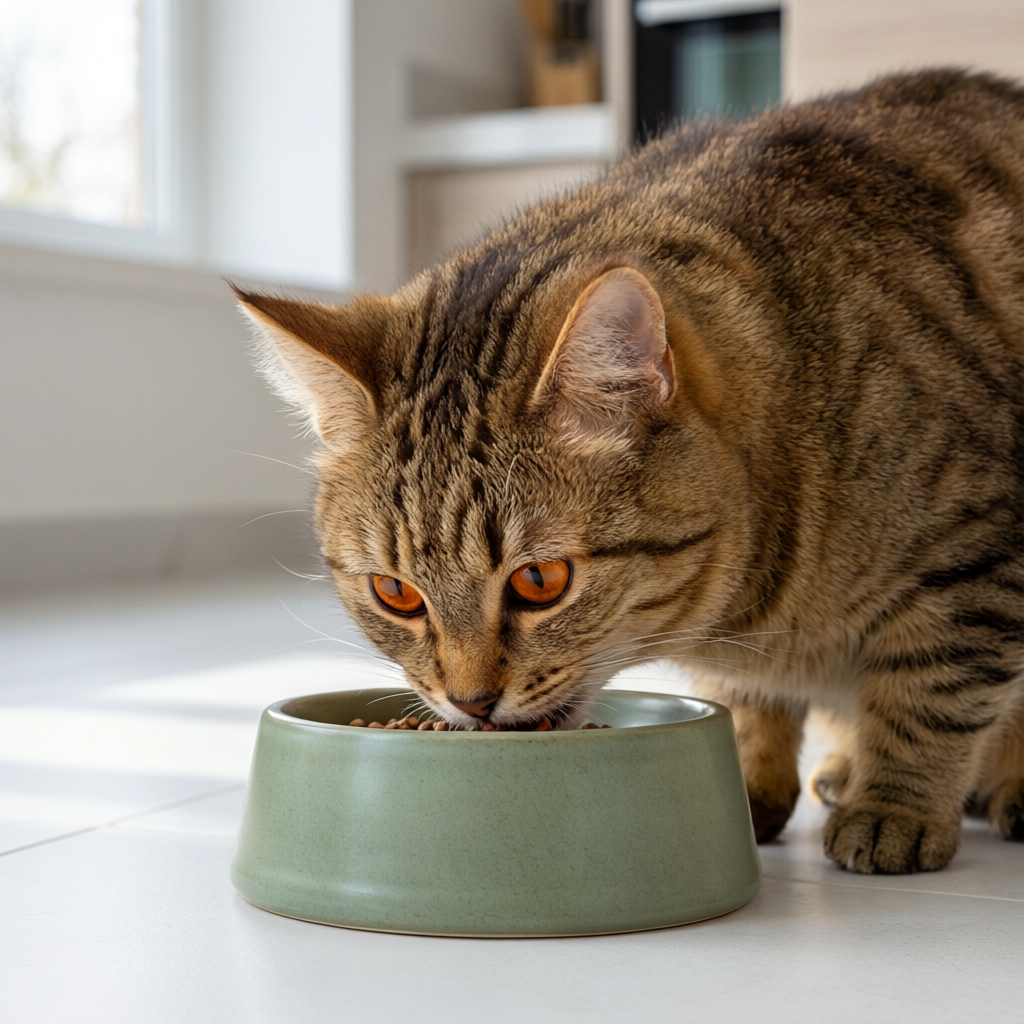
Some probiotics need refrigeration, while others are shelf-stable. Check the label for storage instructions and expiration dates. Heat, moisture, and time can reduce potency, so store them properly.
When Probiotics May Help
Many pet parents find probiotics helpful during transitions to new food, after a course of antibiotics, during stressful events like boarding, or as part of daily wellness for senior pets. Some research also suggests probiotics may help with skin allergies and immune support, though results vary by individual.
Safety Tips
Probiotics are generally safe, but pets with weakened immune systems or serious illnesses should only take them under veterinary guidance. Start with the recommended dose and watch for changes in stool, appetite, or energy. If symptoms worsen, stop and call your vet.
Written by PawLifeWellness Team
Pet Health Writers
Our team creates practical, research-informed pet wellness content for everyday pet parents. Always consult your veterinarian for personalized advice.


