How to Choose Fish Oil for Your Pet: A Simple Guide
Learn what EPA and DHA mean, why sourcing matters, and how to pick a clean omega-3 supplement your dog or cat can actually benefit from.

Fish oil is one of the most popular supplements for dogs and cats, and for good reason. Omega-3 fatty acids can support your pet’s skin, coat, joints, heart, and even mood. But walking down the supplement aisle or browsing online can feel overwhelming. Labels throw around terms like EPA, DHA, wild-caught, and molecularly distilled, and it is hard to know what really matters.
The good news is that choosing a quality fish oil does not have to be complicated. A few simple checks can help you find a product that is safe, effective, and easy to give.
What EPA and DHA Actually Mean
EPA and DHA are the two omega-3 fatty acids that do the real work in fish oil. EPA is often linked with inflammation balance and skin health, while DHA supports brain development, vision, and nervous system function. Puppies, kittens, and senior pets especially benefit from DHA, while adult and aging pets often need more EPA for joint and skin comfort.
When you read a label, look for the actual milligrams of EPA and DHA, not just the total amount of fish oil. A product might say “1,000 mg fish oil per serving,” but only contain 300 mg of combined EPA and DHA. The higher the concentration, the more benefit per drop or softgel.
Why Sourcing Matters
Smaller fish such as sardines, anchovies, and mackerel are generally lower in environmental contaminants because they sit lower on the food chain. Larger predatory fish like tuna or swordfish can accumulate more mercury over time. Many reputable brands now list the fish source right on the label. If the source is vague or missing, that is worth questioning.
Sustainability also matters. Some brands use fisheries certified by third-party organizations that monitor overfishing and environmental impact. This is a nice bonus for pet parents who care about ocean health.
Purity and Freshness Testing
Fish oil can go rancid, and oxidized oil may do more harm than good. Look for products that mention third-party testing for heavy metals, PCBs, and oxidation. Some companies publish a Certificate of Analysis, or COA, on their website. A strong fishy smell or your pet refusing the product can also be signs the oil is not fresh.
Liquid, Softgel, or Chew?
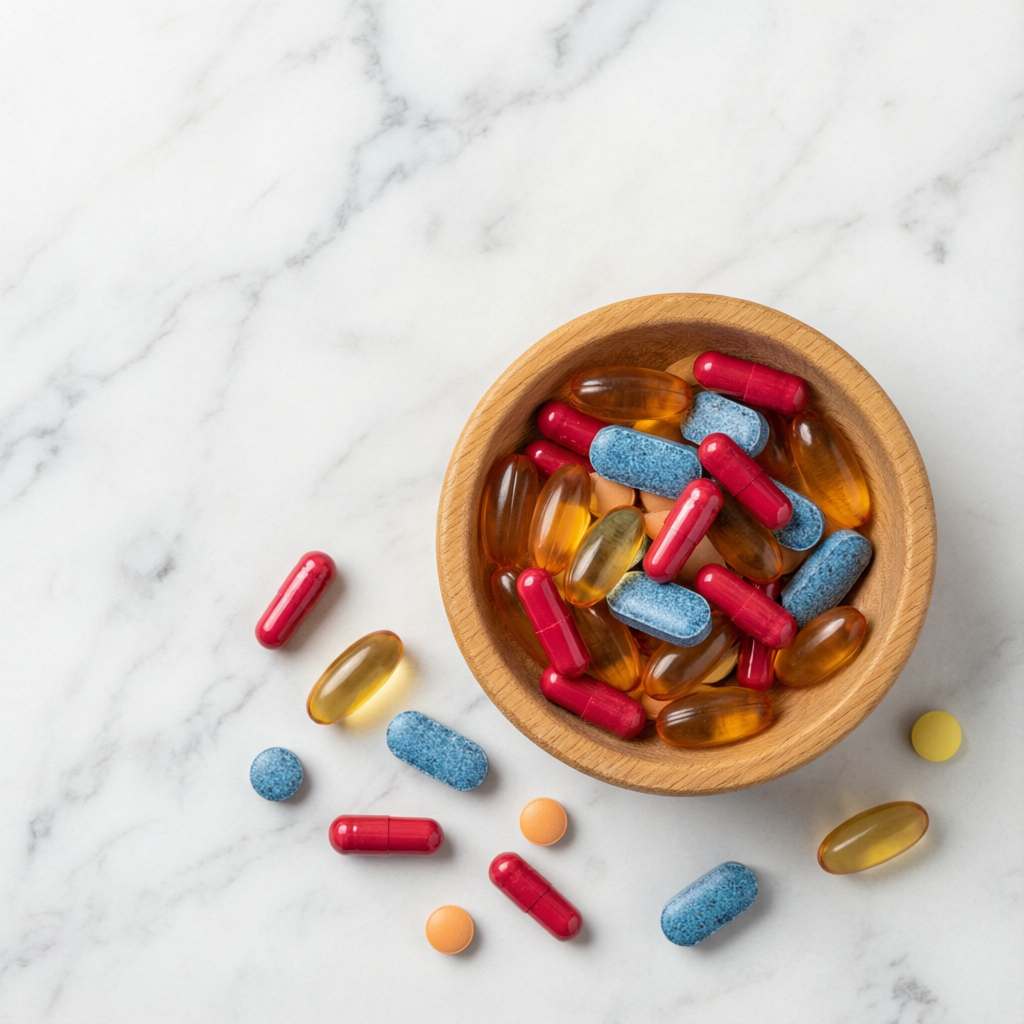
Liquid fish oil is easy to mix into food and lets you adjust the dose. Softgels are convenient but may be harder to give to picky pets. Some brands offer flavored formulas that pets find appealing. Choose the form that fits your routine and your pet’s preferences.
Talk to Your Vet
Fish oil is generally safe, but it can interact with blood-thinning medications and may not be ideal for pets with certain health conditions. Always check with your veterinarian before starting a new supplement, especially if your pet is pregnant, nursing, or managing a chronic illness.
Written by PawLifeWellness Team
Pet Health Writers
Our team creates practical, research-informed pet wellness content for everyday pet parents. Always consult your veterinarian for personalized advice.


