Homemade vs. Store-Bought Pet Food: What Pet Parents Should Know
Both options can work, but balance is everything. Learn how to keep your pet’s diet nutritious and safe.
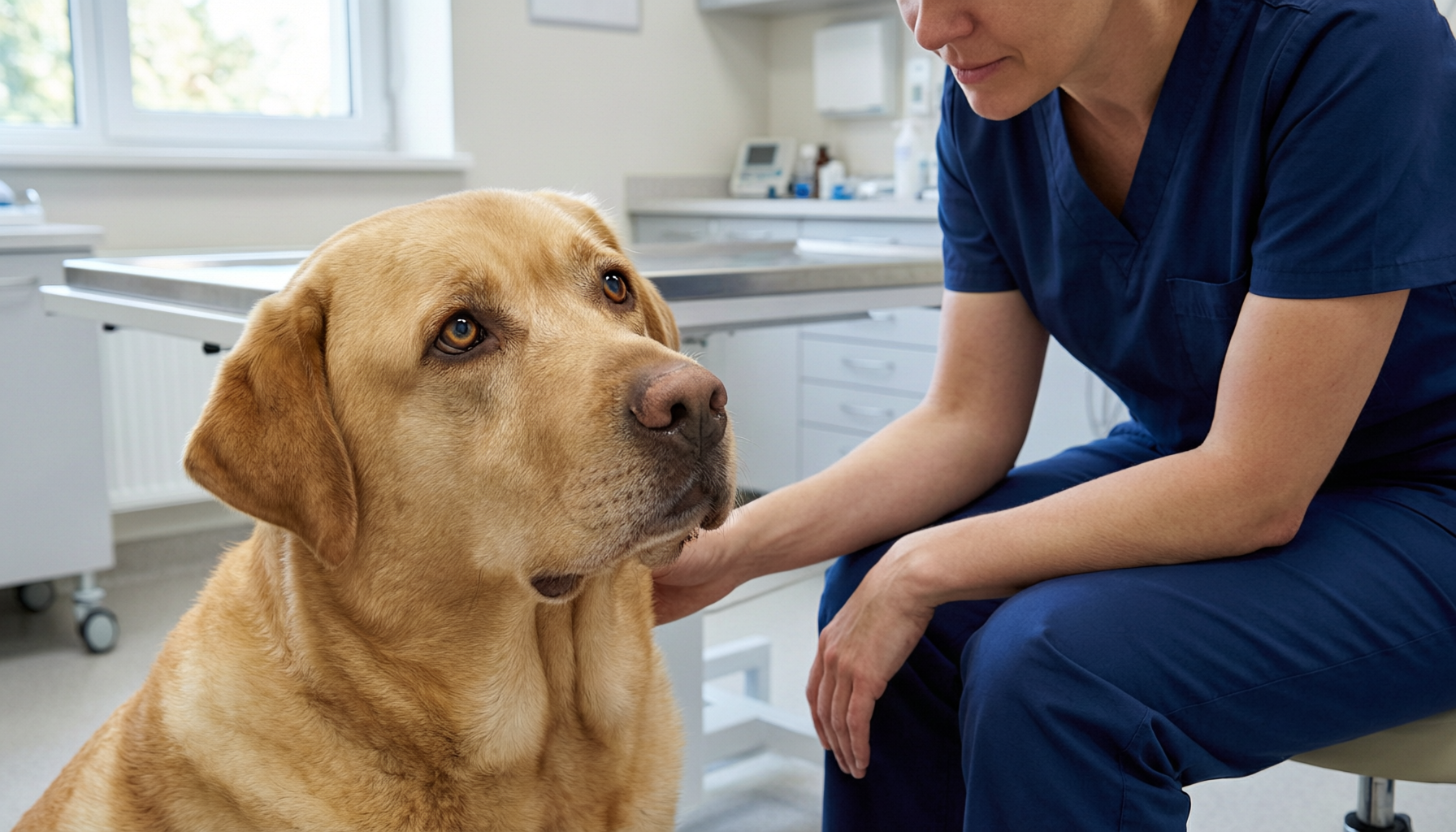
One of the biggest decisions pet parents face is what to feed their dog or cat. Some prefer the convenience of commercial pet food, while others love the idea of preparing fresh, homemade meals. Both approaches have pros and cons, and the right choice depends on your lifestyle, budget, and your pet’s individual needs.
The Appeal of Homemade Food
Homemade diets let you control every ingredient. You can avoid fillers, artificial preservatives, and proteins your pet may be sensitive to. Many pets love the taste and texture of freshly cooked food. For owners with time and interest, it can feel like the ultimate act of care.
However, creating a balanced homemade diet is harder than it looks. Pets need precise amounts of protein, fat, carbohydrates, vitamins, and minerals. Without careful formulation, homemade meals can lead to nutrient deficiencies or excesses over time.
The Case for Commercial Food
High-quality commercial pet foods are formulated to meet established nutritional standards. Reputable brands employ veterinary nutritionists and conduct feeding trials to ensure their products support long-term health. They also offer consistent nutrient profiles, which can be important for pets with medical conditions.
The downside is that not all commercial foods are equal. Some use low-quality ingredients, excessive carbohydrates, or vague labeling. Learning to read ingredient lists and nutritional adequacy statements can help you choose better products.
A Hybrid Approach
Many pet parents find a middle ground: a high-quality commercial base diet with fresh toppers like cooked vegetables, plain yogurt, or a small amount of lean meat. This adds variety and enjoyment without risking major nutritional imbalances.

Supplements Can Fill Gaps
Whether you feed homemade, commercial, or a mix, supplements like omega-3s, probiotics, and joint support can help address specific needs. Think of them as targeted additions, not replacements for a balanced diet.
When to Get Professional Help
If you want to feed a fully homemade diet, consult a board-certified veterinary nutritionist. They can design a recipe tailored to your pet’s age, weight, activity level, and health status. This is especially important for growing puppies and kittens, pregnant pets, and animals with chronic illnesses.
Written by PawLifeWellness Team
Pet Health Writers
Our team creates practical, research-informed pet wellness content for everyday pet parents. Always consult your veterinarian for personalized advice.